Tuesday, March 26, 2019

The Cause of Subluxation: The Three Ts

Have you ever heard this seemingly complicated term: subluxation? Subluxations are misalignments in one or more of the vertebrae in your spine. They can cause nerve interference, hindering communication between the brain and the rest of the body—every cell, tissue and organ. This makes it so the body is unable to function at 100 percent.
Treating them is one of the foremost goals of chiropractic care. Here are some lesser known causes of subluxations and why ongoing chiropractic care is crucial to generate self-healing and overall health and wellness.

The Three Ts

Subluxations can occur at any age and the main causes are considered the “Three Ts”: trauma, toxins and thoughts.

Trauma

Trauma is the most well-known of the Three Ts. It can cause subluxation by sheer force. Most people only think of major traumas like car accidents or falls, but your body experiences micro traumas every day—and these may surprise you. Behaviors or habits can cause subluxation—like continuously carrying a purse or bag on the same side of your body, wearing high heels, sleeping on your stomach, crossing your legs or looking down at a computer monitor for long periods of time.

Toxins

Toxins, as a cause of subluxation, may not be as obvious. Think of your body as one big conglomerate of chemicals—when the body is healthy and balanced chemically, it’s in a state of homeostasis. Depending on the toxic chemicals you take in through food, drink and your environment, your body’s homeostasis can be disrupted and become imbalanced. Toxins can get into the body in many ways: through processed and GMO foods, air pollution, chemicals in your cleaning supplies and even the water you’re drinking—and the plastic bottle it came in. These imbalances can cause muscle contractions or change fiber length in the muscles, causing a subluxation.

Thoughts

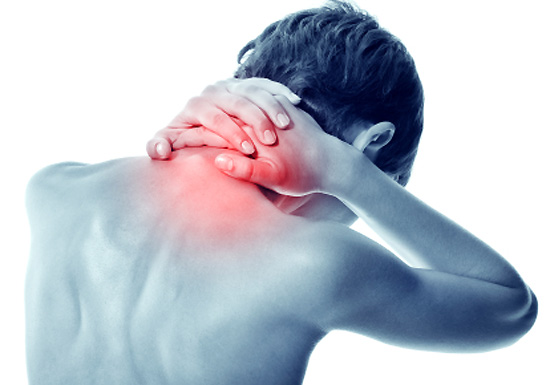
The third "T," Thoughts (a.k.a. stress), is the number one cause of subluxations. Forbes recently reported that 83 percent of working adults in the United States say they are stressed about their job. Think about it: you can be lying on a sandy beach somewhere but can feel completely stressed if you start thinking about the work and problems you have back at home. When you're stressed, the muscles in your neck and upper back become tight. This tension can cause subluxation, and these emotional stressors can also cause a chemical imbalance.
The Cause of Subluxation: The Three Ts 


Treating Subluxations

Chiropractic care is the only way to treat subluxations. And this doesn’t mean a one-time visit to a chiropractor, but ongoing treatment. Your chiropractor will locate, analyze and correct subluxations and work with you on the causes.
Committing to chiropractic care is a lifestyle choice—just like exercising and eating well. It's impossible to eliminate all the micro traumas, toxins and stress in daily life, but choosing chiropractic as a preventative and proactive measure is vital to your path to optimal health.

Tuesday, March 19, 2019

Chiro 101: Should You Talk to Your Friends and Family About Chiropractic?

Simple answer: absolutely! If you’re someone who’s benefiting from the effects of chiropractic care, the next step after improving and maintaining your own wellness is spreading the word! So many people don’t know how beneficial chiropractic can be for their whole body—and let’s face it, we all know someone who could use the extra help.

The Stats

An estimated 35.5 million people saw a chiropractor in the last year. To put that into perspective, that’s only about 9 percent of all American adults. Not very many, right? But for those who did go to a chiropractor, 77 percent of people saw their care as very affective, saying:
  • The quality of care they received was a good value for the money
  • The chiropractor took time to educate them about treatment options
  • The chiropractor really cares about them

The Results

So, why aren’t more Americans under chiropractic care? Complicated healthcare politics aside, it’s most likely because they just don’t know. The best thing you can do is talk about your own story, because at the end of the day, the power of a percentage pales in comparison to real, lived experience. Here’s how some of our patients are starting the conversation.

“At first, I thought chiropractic wouldn’t work, but now, I think it’s something everyone can benefit from. My neck and shoulder pain has seen lots of improvement—I no longer have to worry about cutting down on activities.” –M.R., Lakeview Patient

“I thought I would have to live with pain, but with chiropractic, not anymore!” –A.A., Orland Hills Patient

“My adjustments help me get through the week. I didn’t realize how much the spine and neck played into my health—but now I know.” –B.P., Libertyville Patient

“I was in constant pain for a very long time. Sometimes it hurt just to get out of bed. After I started chiropractic care, I have better movement in my back and joints—I believe it really helps me. Now I know there’s a “light” at the end of the tunnel.” –L.K., Vernon Hills Patient

“I haven’t felt this good in 20 years.” –D.C., Des Plaines Patient

“The CTs at Chiro One are excellent, helpful and answer any questions I have. The doctor also teaches us something new at least once a week.” –A.O., Schaumburg West Patient

“My hip pain went away… I feel like I don’t need to live with aches and pains just because I’m getting older.” –S.S., Libertyville Patient

“Because of chiropractic, I move more freely and pain-free. I’m enjoying the freedom to do things I thought I could no longer do.” –J.S., Round Lake Beach Patient 

“At first, I wasn’t really interested in chiropractic, but now I love it! I can function pain-free and know that I have a plan that will keep me well for the rest of my life.” –A.L., Wheeling Patient

Thursday, September 22, 2016

Offers Ultrasound Therapy

1


Many of us have heard about how Ultrasound is used as a diagnostic test to explore disease process and injury in the human body. Diagnostic ultrasound, for example, can be used to look at joints, nerve roots, tendons, ligaments and muscles and pinpoint signs of inflammation and scar tissue. In some cases, ultrasound helps the chiropractor identify the proper course of treatment.

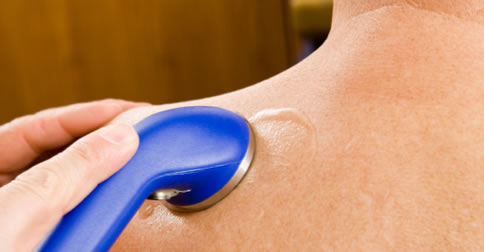
But ultrasound has another exciting application in the form of deep heat therapy. Therapeutic ultrasound uses heated sound waves and applies the energy to soft tissues and joints. The fast-moving waves essentially massage soft tissues effortlessly, and in most cases, painlessly.

Therapeutic ultrasound:
  • Alleviates muscle spasms
  • Reduces inflammation and swelling
  • Improves range of motion
  • Helps increase blood flow
  • Lowers pain and stiffness
Therapeutic ultrasound is typically applied using a small, hand-held wand. Therapeutic ultrasound is often used as one method to treat Lower Back Pain. It is not used to treat acute inflammatory conditions or in patients who have had a laminectomy.

Tuesday, September 13, 2016

Offers Massage Therapy

1


Therapeutic Massage involves manipulating the soft tissues of the body to prevent and alleviate pain, discomfort, muscle spasm, and stress.

As in many kinds of therapy, therapeutic massage is one part of your overall chiropractic treatment plan.

Massage therapy:
  • Alleviates headache-associated pain
  • Helps improve your ability to walk with a normal and balanced gait
  • Helps lower your blood pressure
  • Improves your breathing as a result of a more relaxed diaphragm
  • Improves your range of motion, muscle tone, and flexibility
  • Increases your blood flow, which aids in the healing process and allows muscles to work more efficiently;
  • Reduces stiffness, pain and muscle tension
Stimulates the body to release helpful chemicals such as endorphins. Massage has been shown to be an effective treatment for a wide variety of health problems, including:
  • Stress
  • Sleep apnea and insomnia
  • Sinusitis
  • Range of motion
  • Pain (chronic and temporary)
  • Myofascial pain
  • Jaw disorders
  • Injuries such as pulled or strained muscles and ligaments
  • Headache
  • Digestive disorders, including spastic colon and constipation
  • Circulatory problems
  • Carpal tunnel syndrome
  • Asthma and bronchitis
  • Arthritis
  • Allergies
In some cases, devices may be used to perform massage. Traction massage entails lying on your back on a special table with a pillow under your knees. The table has small rollers that glide up and down your spine. Traction massage helps stretch and massage the muscles in your back, and is not a form of spinal adjustment. In fact, traction massage may sometimes be used to make an adjustment go more smoothly.

Sunday, August 28, 2016

Offers Lumbar Stabilization

1


When the muscles supporting the lower spine need to be strengthened, lumbar stabilization may be used in your chiropractic treatment as a form of Physical Therapy. Lumbar stabilization helps you develop strength, flexibility, and endurance and also has been shown effective in alleviating Lower Back Pain.

The key to lumbar stabilization is achieving a "neutral spine" position. The neutral spine position is that which is the least painful but most sound posture for your lower back.

When your spine is in a neutral position:
  • The discs and vertebrae are able to absorb shocks and other forces acting on the spine in an optimal way.
  • There is less tension on the ligaments and joints of your spine.
  • Your posture is centered.
Once your learn how to go to your neutral spine position, lumbar stabilization teaches you how to maintain that position through a technique called "proprioception." Proprioception teaches you how to know where your joints are at any given time.

Lumbar stabilization helps you:
  • Better control the movements affecting your spine
  • Heal muscle strains, sprains, and damaged ligaments
  • Know how to avoid future injuries
  • Reduce pain in your lower back

Wednesday, August 17, 2016

Ice Therapy

2


Ice massage, or Cryotherapy, is effectively used to treat many kinds of injuries, including those associated with back or Neck Pain.

Ice causes the veins in the affected tissue area to constrict. This reduces the flow of blood while acting as kind of anesthetic to numb the pain. But when the ice is removed (and this is key), the veins compensate by opening large, allowing a greater volume of blood to rush to the affected area. The blood brings with it important chemicals that aid in the healing process.

Back and neck injuries frequently involve muscle sprains and strained ligaments, which can spasm and become inflamed.

Ice massage can provide a number of benefits, including:
  • Assisting the body in minimizing tissue damage
  • Mitigating muscle spasms
  • Reducing or eliminating pain by numbing sore soft tissues
  • Slowing and reducing inflammation and swelling
 
Ice Therapy is not recommended as a form of treatment for any kinds of rheumatoid arthritis, Raynaud's Syndrome (a circulatory disorder of blood vessels of the extremities), colds or allergic conditions, paralysis, or areas of impaired sensation.

Wednesday, August 10, 2016

Heat Therapy

1


While Ice Therapy is used to reduce swelling, heat therapy is used to relax the muscles and increase circulation. Both kinds of therapy help reduce pain.

Heat therapy is often used in patients who have chronic, or long-lasting pain. Heat therapy can involve many kinds of methods, from simple heating pads, wraps, and warm gel packs, to sophisticated techniques, such as therapeutic ultrasound.

Back injuries can create tension and stiffness in the muscles and soft tissues of the lumbar region, or lower back. In many cases, your circulation may be impeded. The tension in the muscles can sometimes escalate to spasms.
Heat therapy:
  • Dilates the blood vessels of the affected muscles, allowing them to relax and begin healing
  • Helps lower discomfort by reducing the amount of pain signals going to the brain
  • Increases the ability of your muscles to easily flex and stretch, thereby decreasing stiffness
Heat Therapy, as well as ice therapy, are normally a part of an overall chiropractic treatment plan and rarely accomplish maximum results without it.

Heat therapy is not used on swollen or bruised tissues, or in patients who have dermatitis, deep vein thrombosis, diabetes, peripheral vascular disease, open wounds, cardiovascular conditions such as hypertension.