Showing posts with label spinal correction san antonio tx. Show all posts

Thursday, December 19, 2019

Chronic Stress Can Kill You; Why You Need Chiropractic

Chronic stress is a common component to the daily life of most people in the American society. Low-grade chronic stress is a contributing element to all major diseases and current undesirable health conditions such as heart disease, diabetes, depression, and others.
How does chronic stress affect one’s nervous system and, importantly, can regular chiropractic care help mitigate the effects?

Autonomic Nervous System

The autonomic portion of your nervous system is continuously active and controls just what it sounds like it would, the automatic functions of the body. It’s comprised of the parasympathetic nervous system, the sympathetic nervous system, and the enteric nervous system. The parasympathetic nervous system deals with the resting and repair activities such as tears, salivation, food digestion and elimination.
The sympathetic nervous system deals with the opposite -- fight, flight, or freeze response. This system shunts the body’s functions away from resting and digesting and into protective functions.

Chronic Stress Response

When the body is under chronic low-grade stress, the sympathetic nervous system remains active at a steady rate that is higher than normal yet not as high as if your life was in danger at this exact moment. Some causes of low-grade stress are working long hours for extended periods of time, family and life demands, less than optimal sleep -- whether in length or quality, bad posture, low water consumption, poor food choices, and more.

Chiropractic Care

Chiropractic adjustments affect the whole communication of the nervous system. Different areas of the spine correlate directly with specific stimulation or deregulation of different areas of the nervous system. For instance, if a patient’s nervous system is highly overactive and has been for a great period of time, the doctor of chiropractic can focus on adjusting areas of the spine that stimulate joint motion and nervous system function in segments in which the nerves are specifically associated with parasympathetic functioning such as upper cervical joints (upper neck) and the lowest lumbar and sacral regions (low back). In doing this, the thought process is to assure optimal nervous system communication and flow in the areas that ultimately promote rest and digesting function. In supporting proper joint movement and optimal nervous system function of those areas, the idea is that it will promote the calming elements of the nervous system and take pressure off of the overactive sympathetic component.
One of the most frequent comments patients say after getting adjusted is “I simply feel better and have a greater sense of ease.” I contend that when the nervous system is rebooted through the quick impulse of the adjustment, the tension of the muscle fibers is released and reset, and the joints experience a restoration of motion; this is enough to create some space for folks to feel and enjoy the decrease in the chronic stress load.
Add regular chiropractic adjustments to one’s healthcare routine and this is enough to create a major shift in one’s health and life. Come on in and see the doctors at The Joint Chiropractic and let us help you help yourself in decreasing stress this year in your life!

Thursday, December 5, 2019

Ways to Slow Down, De-Stress and Actually Enjoy the Holidays

Stress can be a big part of the holidays—and it doesn’t have to be. While we know chiropractic can help you feel less stressed, we also love to share other ideas that’ll help you enjoy each day of your life more. See if you can weave any of these ideas into these next couple of weeks of the holiday season. 
 

Re-Organize Your Priorities

We often get lost in a laundry list of things we think we need to do, but in reality, we just simply don’t need to do most of it. Take a look at your list of holiday commitments and to dos and cut back. Focus on the things you really love and leave it at that.

Take a Break from Social Media

While we’d hate to see you go, sometimes a break can really slow life down. If you notice that you’re reaching for your phone and tapping that blue icon every time you have a moment of down time, it’s probably time for a social vacation. You’ll find you’re more present and relaxed. And you’ll stop comparing yourself to the Joneses. Come back after the holidays!

Cut Back on Excess Gifts and Slow Down Gift Giving

It can be easy in our culture to go overboard on gifts, especially for the kids—and then what happens? There’s a flurry of wrapping paper and it’s all over before you’ve even had a moment to take it all in. Take a step back from making sure there are “enough” gifts under the tree and focus on enjoying the act of giving and receiving. When you and your family are exchanging gifts, slow it down by having each person open one gift at a time. Take breaks for a walk, snack or even a favorite holiday movie; then come back to open more.

Head Outside

“There’s no such thing as bad weather, only bad clothing.” This Norwegian saying couldn’t be more true! The cold alone shouldn’t prevent you from getting outside! We know that spending time outdoors and getting some physical activity can have a profound effect on stress. Bundle up and head out for a walk first thing in the morning—or in the evenings when many homes will have their holiday lights aglow.

Practice Mindfulness

Mindfulness means that you’re in a state of active and open attention to the present moment. Gosh, we all could use more this during the holidays, right? Often in the hustle and bustle, we don’t take time to actually enjoy all the wonderful moments. A few simple things you can try: Eat slowly and savor the flavors; shop slowly and carefully; put down the phone and just take in the environment around you; listen—really listen—when a loved one is speaking to you; sit back and think about everything you have to be grateful for.

Thursday, November 28, 2019

Are You Doing Self-Care All Wrong?

When you think of the phrase “self-care,” what immediately comes to mind? Maybe a candle lit bath, a sweet treat, a relaxing massage.
For some people, these are definitely ways to feel good, calm and cared for. However, that’s not all self-care is. Over the last few years, self-care has become a three billion dollar industry, and that really muddies the water. It’s crucial that you’re able to separate between the things that you need (not the things you’re told you need), and the things that you want, so you can find out what self-care means for you. Today, let’s take a look at that process!
(And trust us, you are more than worth the effort.)

What Is Self-Care

According to The University of Buffalo’s School of Social Work, self-care “refers to activities and practices that we can engage in on a regular basis to reduce stress and maintain and enhance our short- and longer-term health and well-being.” So… bath bombs and massages… that can be a part of it! But look a little deeper; what is it that you need in order to be and stay well?

It’s All About You

Realistically, figuring out what you need can be hard. Self-care, itself, can be hard. And it’s not always pretty. Sometimes it’s taking the time out of your busy schedule to eat something healthy that makes your body feel good. Sometimes it’s making that doctor’s appointment you’re a little scared to make. Sometimes it’s saying no to a night out, even if it makes you feel guilty, because you’ve been tired lately and know you need the rest.
Self-care is advocacy. It’s taking the reins of your own physical, mental, emotional and spiritual health —whatever that means to you—and if you don’t know what that means for you, self-care is making sure you take the time to figure that out.

How To Get Started

If you’re someone who doesn’t even know where to start, don’t worry. For the next few days, go throughout your daily life. Keep in a journal or notebook all the prominent things you do, think and feel during the day. Really think about your life and the role you play in it.
Then, begin to make a list. Put two or three things (don’t overwhelm yourself!) that greatly impact how you feel and function (whether you’re currently honoring those things or not), and one by one, begin making small changes. For instance, if you find that you’re tired all the time, and that it’s really impeding on your life, add that to the list. Think of a few ways that you could make room for quality sleep, the things you will have to make peace with sacrificing and also the gains you will make with each day. Maybe you’ll have to do some research; maybe you’ll need to consult a professional.
The journey will be different for each person. The crucial thing is that you follow it through until you find methods and strategies that work for you.
Because you are important and you deserve to be happy.

Thursday, November 21, 2019

What’s the Deal with Vertigo?

As much as 35 percent of American adults over the age of 40 have experienced a vestibular disorder—and the biggest offender? Vertigo. For those who’ve experienced it, or currently are experiencing it, vertigo can greatly impact daily life, making a sufferer sick, tired and unable to go through their day. How do you deal with it? How can you get your life back? Let’s take a look. 
 

What is Vertigo?

Those experiencing vertigo feel a sensation of being off balance, like they’re spinning or being pulled in one direction. It can cause nausea, headache, vomiting, sweating and a ringing in the ears or abnormal eye movement. For some, vertigo seems to simply go away with time. For others, it is a reoccurring problem that reappears with little warning and makes everyday tasks difficult.

Why Does it Happen?

A commonly cited cause of vertigo is inner ear issues—often due to buildup or infection—which can compromise the body’s ability to find balance. In our experience, patients who suffer from vertigo are often found to have subluxations, misalignments, in the C1 region at the base of the skull. The C1 affects blood supply, the pituitary gland, scalp, bones of the face, brain, nervous system, and unsurprisingly, middle and inner ear.
This misalignment can interfere with sensory information to the cerebellum part of the brain, which coordinates voluntary movements like balance, posture and coordination—it can also cause dizziness, the commonly seen symptom of vertigo. This subluxation could be the result of a number of things, from prior head/neck trauma to minor traumas such as improper posture or poor sleep positioning.

How Can You Get Help?

Our best recommendation is to be seen for a full evaluation by a chiropractic physician, who will likely prescribe regular chiropractic adjustments to remove subluxations from the spine. Studies show that spinal manipulation can have many positive effects on vertigo symptoms—improved balance, reduction in dizziness and for some, even complete remission. Additionally, by addressing the subluxation in the C1 region of the spine, potential disruptions between the brain and spinal nerves are eliminated, allowing the body to heal as it was meant to.

Thursday, October 3, 2019

Choose Conservative and Safe Chiropractic Care First

When it comes to health and healthcare in the United States, most would agree we have many issues. Not only is the overall state of health in this country rather poor, but our system of “treating” illness, disease and injuries is focused on quick fixes, after-the-fact treatments and short-term care. The chiropractic community has set out to change this model—and you’re a part of that change!
At Franklin Chiropractic & Accident Clinics, Inc., we provide our patients drug and surgery-free solutions to all too common conditions like back pain, neck pain, headaches and more. Here’s a bit more on conservative care—and why it’s an important approach to improving your health and staying well.

What is conservative care?

Just as it sounds, conservative care means to take a cautious, safe and moderate approach to treating a health issue. Unfortunately, many people are recommended aggressive, costly and often risky treatments for all kinds of illness and disease. For example, back and neck pain treatment within the medical community can often include spine surgeries, spinal injections and prescription drugs, and many times these treatments do not solve the problem, mask symptoms or cause further issues down the road.

How does chiropractic fit into conservative care?

Chiropractic is one of the best examples of conservative care as it is a safe, holistic, drug-free and non-invasive method to diagnosis and treat pain, and also maintain and enhance overall health and well-being. Your expert chiropractor uses gentle spinal manipulation and therapeutic and rehabilitating exercises to address pain and symptoms. In addition, chiropractors can advise patients on important nutritional, ergonomic and lifestyle changes.
All doctors of chiropractic have undergone extensive schooling and training through nationally accredited programs, amassing a minimum of 4,200 hours of classroom, laboratory and clinical internship.

Who should choose conservative care?

While we can’t possibly say that a conservative care route like chiropractic will be to any or all health issues, it should certainly be considered as a first (and hopefully only!) step. Reducing the need for drugs or surgery could be critical to your overall health in the long-term. Of course, if your condition is best treated by another method or medical professional, your chiropractor will advise you of this.
We are proud to be an organization working toward creating a better healthcare system that serves patients’ health and well-being first—and we're proud to continue to serve you. We congratulate you on your commitment to a healthier, pain-free life!

Thursday, September 26, 2019

How to Make Sure Your Chiropractic Adjustments Last

In our rush-around society, we assume everything happens quickly. Even with our healthcare, people expect immediate gratification—a quick fix that’ll make pain or discomfort disappear. But the truth is that nothing worth having comes without a solid foundation of hard work, and that’s especially true when it comes to your health.
How does that translate to chiropractic? Therapy! You can’t just get your adjustment and hit the door. At Franklin Chiropractic & Accident Clinics, Inc., we have a whole range of therapies to complement your adjustment, from stretches to traction and more, that make your treatment so much more successful. Let’s take a look!

Therapies for Optimal Healing

As chiropractors, we believe that true health can be achieved through excellent spinal health. We use the chiropractic adjustment to remove subluxations, or misalignments, found in the vertebrae. This can make all the difference to your overall health, because left unchecked, subluxations can disrupt the brain-to-body communication system, causing a whole mess of problems you’d never even see coming. Subluxations are complex, whether they be due to accident, injury, stress, tight muscles, over- or under-stretched ligaments or other instabilities. While an adjustment does a great job of addressing the core of these issues by realigning the subluxation directly, your body needs more. Additional therapies help to stabilize the body, allowing for optimal health.

Getting Traction

Traction is a therapy designed to correct forward head posture and a reduced or reversed cervical curve. Issues with the cervical spine are very common and put a lot of stress on the nervous system. Correcting your cervical curve is crucial and should be a major goal for any patient.

What’s Another 10-15 Minutes?

If you can correct your cervical spine at home, why do it in the office? Most therapies are done under supervision for a reason. Some therapies can seem deceptively simple with a wide range of results for patients. That means these therapies can also be done incorrectly at home with negative results or potential injury.

So, What Can You Do At Home?

Besides the common therapies done in the office, we recommend any type of therapy that helps strengthen your core. The average American has weakened core strength, which contributes to abnormal posture and joint dysfunction. Stretching throughout the day can also be advantageous.
If you really want to know which therapies you should be doing to make your adjustments more effective, ask your chiropractor. He or she will be happy to share a customized list of therapies for your specific condition.

Thursday, September 19, 2019

Could Your Child Have Scoliosis?

What do you know about scoliosis? Many people know that it affects the spine…but not much else. You might be surprised to know that kids are one of the largest groups affected by scoliosis. Find out what else you should know about this common condition. 
 

What is scoliosis?

Scoliosis is a spinal disorder traditionally defined as a sideways curvature (or curvatures) of the spine. Often, the curves appear S-shaped or C-shaped. The most common form of scoliosis is idiopathic, which accounts for about 80 percent of scoliosis cases. Unfortunately—and frustratingly—idiopathic means “without known cause,” meaning experts don’t have all the answers for sufferers.

Who is affected?

Scoliosis affects between 6 and 9 million people in the United States. Of those suffering from the disorder, children aged 10 to 15 are the largest age group, and girls are more often affected than boys. While it’s common in this age and gender group—people of any age, race, gender, etc. can be diagnosed with scoliosis.

What causes scoliosis?

As mentioned above, most cases of scoliosis are without a known cause. Some cases, such as congenital scoliosis, do have a known cause. In congenital scoliosis, the curves are thought to be due to abnormally formed vertebrae, present at birth.

What are the signs and symptoms?

Typically, those who have scoliosis won’t experience back pain, so it’s important to look for physical signs such as:
  • Uneven shoulders or a shoulder blade that protrudes farther than the other when your child is standing
  • A rib hump (rib prominence) or a lower back hump (lumbar prominence) when your child is bending forward
It’s important to note that scoliosis can run in families—so if you know of someone in your family that is affected, or have a child that has been diagnosed, be sure to have other family members checked.

How is scoliosis diagnosed?

Scoliosis can be diagnosed using medical and family history, a physical examination, and X-rays of the spine. Be sure to have your child checked by a professional, often times the signs of scoliosis are subtle and can be easily missed.

What are the treatment options?

There are several options for treating scoliosis, such as chiropractic, observation and bracing. Studies have shown active chiropractic treatment has improved the Cobb angle and pain scores. Experts agree that scoliosis is best treated when found early—so if you suspect your child may be at risk or has developed the disorder, it’s best to get them in for a check-up right away.

Thursday, September 12, 2019

The Health Benefits of Having an Active Social Life

Do you make quality time with your family and friends a priority? We’re not talking about required annual holiday visits with distant relatives that can sometimes drive you nuts; we mean those people with whom you share the closest connections and tightest bonds. If you’re like most people, nurturing those types of relationships often falls by the wayside, but it shouldn’t. Find ways to share regular social time with family and friends, it actually makes you healthier in many different ways. 
 

Healthy habits

Do your close friends and family affect the decisions you make about your health or nutrition? Researchers say they do. According to an Edelman Health Engagement Barometer survey, 46 percent of responders said their friends and family influence their health-related lifestyle choices. And 36 percent said friends and family are the most significant influence on their nutrition choices. If you’re interested in and committed to a wellness lifestyle, boost your chances of success by surrounding yourself regularly with like minded friends and family.

Longevity

People who maintain positive social support networks are likely to live longer than those that don’t. Studies show the risk of death for both men and women is double for those with the fewest social relationships. This was demonstrated in a 2001 study that showed patients with coronary artery disease who were socially isolated had 2.4 times more risk of cardiac—associated death than patients who had deep social connections.
Even when other factors are considered, like behaviors and socioeconomic status, this increase in risk of death seems to hold true.

Disease

A full social life has also been linked to less risk of chronic illness. Studies show people with low quality social lives also have a higher incidence of many conditions, including high blood pressure, cancer and cardiovascular disease. They also take longer to heal from injury and illness.
Poor social connections also correlate to impaired immune function, making them less resistant to disease. And finally, studies show marriage is correlated to lower rates of disease, with people who experience disrupted marriage or divorce showing higher rates of disease.

Stress

We’re all vulnerable to stress—there’s no denying its presence in daily life or the toll it takes on the body and mind. But research shows that people who have strong social support, or a community of friends and family they can turn to, are much less vulnerable to the pitfalls of stress. Whether this support comes from close friends or family, a structured support group or even an online community doesn’t seem to matter, if the support matches the person’s needs, it successfully reduces stress and its negative effects.

Monday, April 15, 2019

Can Chiropractic Adjustments Lower High Blood Pressure?

One-third of the adult population, around 70 million Americans, have high blood pressure (hypertension). In addition, 1 in 3 Americans has prehypertension, which means higher than normal blood pressure numbers. Even more alarming: 1 in 5 adults with high blood pressure do not know they have it, because typically there are no associated symptoms.
Thankfully, chiropractic offers a drug-free approach to treating high blood pressure. Read on to learn more.

Understanding Blood Pressure and Hypertension

Each time the heart beats, it's pumping blood into the arteries of the body. Blood pressure is the force of the blood as it pushes against the walls of the arteries. The two numbers in a blood pressure reading are systolic, the top number that measures the pressure in the arteries when the heart beats, and diastolic, which is the bottom number measuring the pressure in the arteries between beats.
Normal levels are 120/80 and lower, prehypertension levels are 120-139/80-89, hypertension stage 1 is 140-159/90-99, hypertension stage 2 is 160/100 or higher, and hypertension crisis (emergency care needed) is 180/110 or higher.

The Risks of Hypertension

This common condition is more dangerous and fatal than many people realize. The Center for Disease Control and Prevention (CDC) lists high blood pressure as the primary or contributing cause of more than 360,000 American deaths in 2013. That's nearly 1,000 deaths each day.
The CDC also states that with high blood pressure, there's a great risk of other dangerous conditions:
  • First heart attack: 70 percent of adults who have a first heart attack have high blood pressure
  • First stroke: 80 percent of adults who have their first stroke have high blood pressure
  • Chronic heart failure: 70 percent of adults with chronic heart failure have high blood pressure
  • Kidney failure: High blood pressure is the second leading cause of kidney failure 


Treatment of High Blood Pressure

Fortunately, high blood pressure is simple to diagnosis and there are many methods of treatment. Regularly, doctors prescribe medication to control hypertension, but blood pressure often can be lowered using natural, non-pharmaceutical methods. Lifestyle changes play a big role in blood pressure; losing weight, exercising regularly, eating well, reducing excess sodium, limiting alcohol, quitting smoking, cutting back on caffeine and reducing stress all positively contribute to healthy blood pressure levels.
Can Chiropractic Adjustments Lower High Blood Pressure?

Chiropractic Adjustments and Lowered Blood Pressure

In March of 2007, the Journal of Human Hypertension published a study that demonstrated a significant decrease in blood pressure following a chiropractic adjustment to the Atlas vertebra (located at the base of the skull). This study involved 50 individuals with high blood pressure; the improvement in blood pressure levels continued into the eighth week following the adjustment—potentially longer, as the study only assessed the patients following the adjustment and at a follow-up visit eight weeks later.

Make an appointment to talk to a chiropractic doctor about chiropractic and high blood pressure.

Thursday, September 22, 2016

Offers Ultrasound Therapy

1


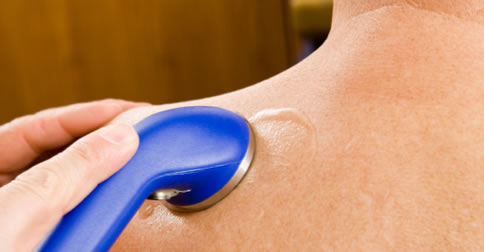
Many of us have heard about how Ultrasound is used as a diagnostic test to explore disease process and injury in the human body. Diagnostic ultrasound, for example, can be used to look at joints, nerve roots, tendons, ligaments and muscles and pinpoint signs of inflammation and scar tissue. In some cases, ultrasound helps the chiropractor identify the proper course of treatment.

But ultrasound has another exciting application in the form of deep heat therapy. Therapeutic ultrasound uses heated sound waves and applies the energy to soft tissues and joints. The fast-moving waves essentially massage soft tissues effortlessly, and in most cases, painlessly.

Therapeutic ultrasound:
  • Alleviates muscle spasms
  • Reduces inflammation and swelling
  • Improves range of motion
  • Helps increase blood flow
  • Lowers pain and stiffness
Therapeutic ultrasound is typically applied using a small, hand-held wand. Therapeutic ultrasound is often used as one method to treat Lower Back Pain. It is not used to treat acute inflammatory conditions or in patients who have had a laminectomy.

Tuesday, September 13, 2016

Offers Massage Therapy

1


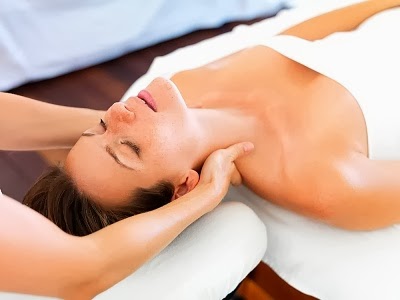
Therapeutic Massage involves manipulating the soft tissues of the body to prevent and alleviate pain, discomfort, muscle spasm, and stress.

As in many kinds of therapy, therapeutic massage is one part of your overall chiropractic treatment plan.

Massage therapy:
  • Alleviates headache-associated pain
  • Helps improve your ability to walk with a normal and balanced gait
  • Helps lower your blood pressure
  • Improves your breathing as a result of a more relaxed diaphragm
  • Improves your range of motion, muscle tone, and flexibility
  • Increases your blood flow, which aids in the healing process and allows muscles to work more efficiently;
  • Reduces stiffness, pain and muscle tension
Stimulates the body to release helpful chemicals such as endorphins. Massage has been shown to be an effective treatment for a wide variety of health problems, including:
  • Stress
  • Sleep apnea and insomnia
  • Sinusitis
  • Range of motion
  • Pain (chronic and temporary)
  • Myofascial pain
  • Jaw disorders
  • Injuries such as pulled or strained muscles and ligaments
  • Headache
  • Digestive disorders, including spastic colon and constipation
  • Circulatory problems
  • Carpal tunnel syndrome
  • Asthma and bronchitis
  • Arthritis
  • Allergies
In some cases, devices may be used to perform massage. Traction massage entails lying on your back on a special table with a pillow under your knees. The table has small rollers that glide up and down your spine. Traction massage helps stretch and massage the muscles in your back, and is not a form of spinal adjustment. In fact, traction massage may sometimes be used to make an adjustment go more smoothly.

Sunday, August 28, 2016

Offers Lumbar Stabilization

1


When the muscles supporting the lower spine need to be strengthened, lumbar stabilization may be used in your chiropractic treatment as a form of Physical Therapy. Lumbar stabilization helps you develop strength, flexibility, and endurance and also has been shown effective in alleviating Lower Back Pain.

The key to lumbar stabilization is achieving a "neutral spine" position. The neutral spine position is that which is the least painful but most sound posture for your lower back.

When your spine is in a neutral position:
  • The discs and vertebrae are able to absorb shocks and other forces acting on the spine in an optimal way.
  • There is less tension on the ligaments and joints of your spine.
  • Your posture is centered.
Once your learn how to go to your neutral spine position, lumbar stabilization teaches you how to maintain that position through a technique called "proprioception." Proprioception teaches you how to know where your joints are at any given time.

Lumbar stabilization helps you:
  • Better control the movements affecting your spine
  • Heal muscle strains, sprains, and damaged ligaments
  • Know how to avoid future injuries
  • Reduce pain in your lower back

Wednesday, August 17, 2016

Ice Therapy

2


Ice massage, or Cryotherapy, is effectively used to treat many kinds of injuries, including those associated with back or Neck Pain.

Ice causes the veins in the affected tissue area to constrict. This reduces the flow of blood while acting as kind of anesthetic to numb the pain. But when the ice is removed (and this is key), the veins compensate by opening large, allowing a greater volume of blood to rush to the affected area. The blood brings with it important chemicals that aid in the healing process.

Back and neck injuries frequently involve muscle sprains and strained ligaments, which can spasm and become inflamed.

Ice massage can provide a number of benefits, including:
  • Assisting the body in minimizing tissue damage
  • Mitigating muscle spasms
  • Reducing or eliminating pain by numbing sore soft tissues
  • Slowing and reducing inflammation and swelling
 
Ice Therapy is not recommended as a form of treatment for any kinds of rheumatoid arthritis, Raynaud's Syndrome (a circulatory disorder of blood vessels of the extremities), colds or allergic conditions, paralysis, or areas of impaired sensation.

Wednesday, August 10, 2016

Heat Therapy

1


While Ice Therapy is used to reduce swelling, heat therapy is used to relax the muscles and increase circulation. Both kinds of therapy help reduce pain.

Heat therapy is often used in patients who have chronic, or long-lasting pain. Heat therapy can involve many kinds of methods, from simple heating pads, wraps, and warm gel packs, to sophisticated techniques, such as therapeutic ultrasound.

Back injuries can create tension and stiffness in the muscles and soft tissues of the lumbar region, or lower back. In many cases, your circulation may be impeded. The tension in the muscles can sometimes escalate to spasms.
Heat therapy:
  • Dilates the blood vessels of the affected muscles, allowing them to relax and begin healing
  • Helps lower discomfort by reducing the amount of pain signals going to the brain
  • Increases the ability of your muscles to easily flex and stretch, thereby decreasing stiffness
Heat Therapy, as well as ice therapy, are normally a part of an overall chiropractic treatment plan and rarely accomplish maximum results without it.

Heat therapy is not used on swollen or bruised tissues, or in patients who have dermatitis, deep vein thrombosis, diabetes, peripheral vascular disease, open wounds, cardiovascular conditions such as hypertension.

Sunday, July 24, 2016

Exercise Therapy

1


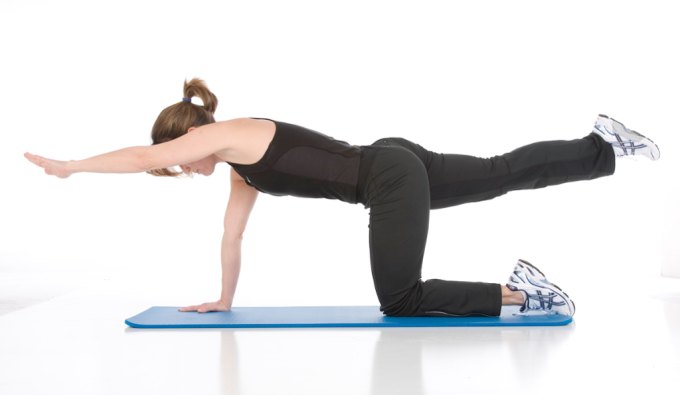
Exercise therapy is a form of chiropractic treatment used to help manage pain, rehabilitate damaged soft tissues such as muscles, ligament and tendons, and restore normal range of motion and function.

Such therapy has been shown to alleviate pain, improve overall muscle strength and range of motion, improve balance, as well avoid further deterioration of muscle tissues. The overall goal of an exercise therapy program is to promote healing and prevent further damage and injury to your body's musculoskeletal system. Exercises programs also help in minimizing scar tissue formation following an injury or surgery.

Most exercise programs are designed to improve cardiovascular conditioning and bolster your strength. Many exercises involve flexing and extending specific parts of the body.

As a patient, you play a pivotal role in the outcome of any therapeutic exercise program. Your dedication to following the steps outlined in the program will go a long way in ensuring its success.

Friday, July 15, 2016

Electrotherapy

1.jpg


Because the body's nerves are electrical conductors, medical professionals have long held that stimulating nerve endings with small electrical current can produce beneficial results.

The theory behind electrotherapy as part of Chiropractic Care is that such stimulation to affected nerves and muscles encourages the body to release pain-killing chemicals, such as opiates and endorphins, and blocks pain signals from being transmitted to the brain.

Electrotherapy is a Pain Management technique, and as such, is part of an overall chiropractic treatment regimen. Electrotherapy is usually involved in the early treatment stages, especially right after an injury. Ice and heat therapy may be combined with electrotherapy to boost its pain-killing powers.

Electrotherapy normally involves placing small adhesive pads on the skin at various points on the body. Electrotherapy is generally not painful. The adhesive pads may cause a minor skin irritation after being removed, and in some instances, patients may feel a mild stinging after therapy.
Common types of electrotherapy include:
  • Galvanic stimulation (GS) - High voltage pulsed galvanic stimulation has been used in acute low back pain to reduce muscle spasm and soft tissue edema (swelling). It is commonly used despite the lack of hard scientific evidence for its efficacy. Its effect on muscle spasm and pain is felt to occur by its counter-irritant effect, effect on nerve conduction, and a reduction in muscle contractility.
  • Radiofrequency rhizotomy - Normally used for chronic cases of facet joint syndrome, a degenerative condition in which joint cartilage wears thin, causing stiffness, inflammation, muscle spasms, and later osteoarthritis. This procedure applies heated radio-frequency waves to the joint's nerves that carry painful impulses.
  • Transcutaneous Electrical Nerve Stimulation (TENS) - This is the most common type of electrical stimulation used today. TENS therapy is normally used to treat chronic, or long-term pain in the lower back. Small electrodes are placed inside an elastic-type belt worn around the lumbar region. Percutaneous electrical nerve stimulation (PENS), an enhanced and newer type of pain management therapy, makes use of very thin needles (much like those in acupuncture), which are inserted in the lower back by the chiropractor. Small, battery-powered TENS units also are available for use at home, work, or other activities. The patient is able to control the level and frequency of stimulation, and self-administer impulses during episodes of pain.
  • Interferential current (IFC) - This is a kind of TENS therapy in which high-frequency electrical impulses are introduced deep into the tissues near the center of the pain.

Thursday, June 23, 2016

Treatments

1


Chiropractors diagnose and treat a broad range of physical conditions in patients with muscular, nervous, and skeletal problems, especially the spine.

Chiropractors make use of conventional diagnostic tests, such as X-rays, MRIs, and lab work, as well as specific procedures that involve manipulation by hand of various parts of the body. Chiropractors are best known for their ability to correct misalignments of the spine, which are called subluxations. But spinal manipulation is only a small part of what chiropractors do as part of an overall plan to manage and relieve pain and many kinds of ailments. Other kinds of treatments chiropractors are capable of providing include:

  • Electrotherapy
  • Therapeutic exercise
  • Ice/heat therapy, including therapeutic ultrasound
  • Lifestyle and nutrition counseling
  • Massage therapy
  • Physical rehabilitation
  • Stress management