Showing posts with label chiro san antonio tx. Show all posts

Thursday, January 2, 2020

3 Quick and Easy Exercises to Help You Avoid Low Back Pain

Did you know that low back pain is one of the most common reasons for missed work?
Luckily, there are three quick and easy core strengthening exercises you can do to avoid that debilitating low back pain.
Forward Knee Plank: The knee plank helps strengthen your low back. It also helps build foundational strength for more complex plank exercises that are found in the forward plank.
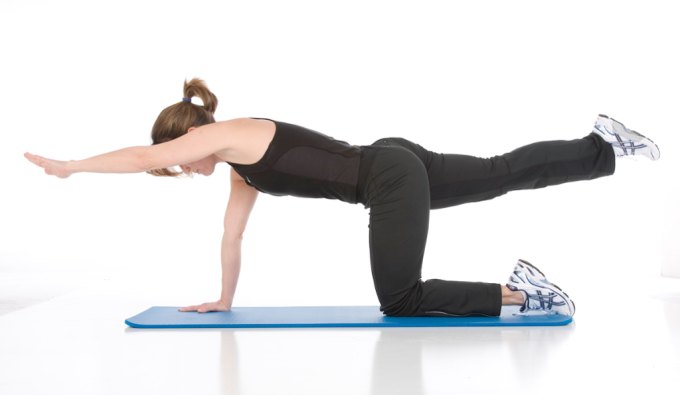
Bird Dog: Despite the strange name, this exercise works by engaging your posterior chain. Strengthening this muscle group can help improve your posture and may also help alleviate pain in both the upper and lower back.
Forward Plank: The last core exercise is a more complex version of the forward knee plank. The forward plank helps strengthen the main support muscle for your lower back.
Remember to perform all these exercises as advised by your chiropractor.

Friday, November 15, 2019

How to Take Meaningful Breaks from Your Phone

For those of us who clearly remember a time before smartphones, it’s easy to see how this technology has changed us and our relationships. 
 
In the morning, instead of quietly waking and adjusting to the light of day, so many of us grab our phone and check our alerts—before we even set our feet on the ground. During coffee or meals with loved ones, we incessantly check our devices—only half listening to the conversation. When hiking through a beautiful landscape or witnessing a life-changing event, we’re peering through our screens to get the best shot for Instagram. And that’s just a snippet of how our lives have changed.

5 Ways to Take Breaks

While this technology is certainly here to stay, it doesn’t mean it has to take over the world around us. You are in control of your day, your relationships and your habits; so harness that willpower and use these ideas to tune out the noise and enjoy the life in front of you.

1. Whenever you get home, leave your phone in your bag or drop it in a basket by the door. If you’re worried about missing an important call or an emergency—think about getting a landline or digital home phone. If you have kids, having a home phone isn’t a bad idea.

Tip: If you have a smartphone, set up an auto-text reply to go out to people who call or text, asking them to reach you at your home phone.

2. Put your phone in the backseat (the trunk is even better) when you’re driving. Not only does the phone distract you, but you’re missing out on some great downtime to listen to music, think or just take in your surroundings.

Tip: Auto-text replies come in handy here, too. Set up a reply alerting people you are driving and will get back to them shortly.

3. Set designated “shut-down” times. Before dinner, have everyone drop their phone into a basket or leave them in their rooms. When you head outdoors for some quality family time, don’t bring them along. We did survive in a time before cellphones!

Tip: If you make this a regular thing—it’ll become easier for your family to break the habit of using phones during family time. And hopefully it’ll carry-over to the next generation!

4. Leave your phone in the car when you’re meeting a friend. If you’re concerned that someone at home may need you, let your family know where you’ll be. If it’s truly important, they can call the place of business to get ahold of you (that’s how we did it in the old days!).

Tip: Ask your friend if you can both go “phone-free” for your coffee or lunch date and enjoy some genuine, uninterrupted conversation.

5. Too hard to leave the phone behind completely? Set it to airplane mode or turn off all your notifications. Then pick times you can check your phone—perhaps every two hours or at 42 minutes after every hour. Find what works for you.

Tip: See if your smartphone has a feature to set “quiet hours.” On most Apple devices, this feature is called “Do Not Disturb,” which only allows calls from specific people to come through. You can also set it to ring if a number has called twice in less than three minutes.

Sunday, August 28, 2016

Offers Lumbar Stabilization

1


When the muscles supporting the lower spine need to be strengthened, lumbar stabilization may be used in your chiropractic treatment as a form of Physical Therapy. Lumbar stabilization helps you develop strength, flexibility, and endurance and also has been shown effective in alleviating Lower Back Pain.

The key to lumbar stabilization is achieving a "neutral spine" position. The neutral spine position is that which is the least painful but most sound posture for your lower back.

When your spine is in a neutral position:
  • The discs and vertebrae are able to absorb shocks and other forces acting on the spine in an optimal way.
  • There is less tension on the ligaments and joints of your spine.
  • Your posture is centered.
Once your learn how to go to your neutral spine position, lumbar stabilization teaches you how to maintain that position through a technique called "proprioception." Proprioception teaches you how to know where your joints are at any given time.

Lumbar stabilization helps you:
  • Better control the movements affecting your spine
  • Heal muscle strains, sprains, and damaged ligaments
  • Know how to avoid future injuries
  • Reduce pain in your lower back

Wednesday, August 17, 2016

Ice Therapy

2


Ice massage, or Cryotherapy, is effectively used to treat many kinds of injuries, including those associated with back or Neck Pain.

Ice causes the veins in the affected tissue area to constrict. This reduces the flow of blood while acting as kind of anesthetic to numb the pain. But when the ice is removed (and this is key), the veins compensate by opening large, allowing a greater volume of blood to rush to the affected area. The blood brings with it important chemicals that aid in the healing process.

Back and neck injuries frequently involve muscle sprains and strained ligaments, which can spasm and become inflamed.

Ice massage can provide a number of benefits, including:
  • Assisting the body in minimizing tissue damage
  • Mitigating muscle spasms
  • Reducing or eliminating pain by numbing sore soft tissues
  • Slowing and reducing inflammation and swelling
 
Ice Therapy is not recommended as a form of treatment for any kinds of rheumatoid arthritis, Raynaud's Syndrome (a circulatory disorder of blood vessels of the extremities), colds or allergic conditions, paralysis, or areas of impaired sensation.

Wednesday, August 10, 2016

Heat Therapy

1


While Ice Therapy is used to reduce swelling, heat therapy is used to relax the muscles and increase circulation. Both kinds of therapy help reduce pain.

Heat therapy is often used in patients who have chronic, or long-lasting pain. Heat therapy can involve many kinds of methods, from simple heating pads, wraps, and warm gel packs, to sophisticated techniques, such as therapeutic ultrasound.

Back injuries can create tension and stiffness in the muscles and soft tissues of the lumbar region, or lower back. In many cases, your circulation may be impeded. The tension in the muscles can sometimes escalate to spasms.
Heat therapy:
  • Dilates the blood vessels of the affected muscles, allowing them to relax and begin healing
  • Helps lower discomfort by reducing the amount of pain signals going to the brain
  • Increases the ability of your muscles to easily flex and stretch, thereby decreasing stiffness
Heat Therapy, as well as ice therapy, are normally a part of an overall chiropractic treatment plan and rarely accomplish maximum results without it.

Heat therapy is not used on swollen or bruised tissues, or in patients who have dermatitis, deep vein thrombosis, diabetes, peripheral vascular disease, open wounds, cardiovascular conditions such as hypertension.