Showing posts with label pain management san antonio tx. Show all posts

Sunday, April 26, 2020

7 Ways to Ease Your Back Pain Without Painkillers

Back pain is a big deal. In fact, so big, it costs Americans at least $90 billion a year in medical and non-medical expenses and has affected an estimated 59 million Americans in the last three months. We're here to help. Try these seven simple, effective and drug-free ways to improve your back pain:
  1. Get regular chiropractic adjustments. Chiropractic is proven to effectively treat back pain. Non-invasive and gentle chiropractic adjustments help to restore function and structure without the dangerous risks of surgery or drugs. (A study in the journal Spine revealed that many, if not most, back surgeries fail and often leave a patient in more pain.)
  2. Increase core strength. Your core plays an important role in back pain and strain. A strong core will reduce the amount of strain on your lower back. Pilates, lifting and bodyweight exercises are great ways to increase your core strength.
  3. Don’t become dependent on a back brace. Your doctor of chiropractic may prescribe a back brace for lower back pain, which can be an excellent tool for helping to temporarily relieve some symptoms. But it’s critical you avoid depending on your back brace entirely. Overuse can cause your core muscles to weaken, putting your back at increased risk for injury and strain. Your main focus should be in on finding the root of the problem and strengthening your core muscles.
  4. Practice excellent posture. Your posture affects more than how you look. Good posture helps to maintain proper alignment in the spine, reduces stress on ligaments, prevents muscle strain and conserves energy, among other benefits. Ask your chiropractor for tips on how to improve your posture.
  5. Apply ice and heat. Ice and heat can help with the pain. Ice can also help reduce swelling after an injury. If you've sustained an injury, the typical recommendation is ice for the first 48 hours before switching to heat.
7 Ways to Ease Your Back Pain Without Painkillers
  1. Improve your flexibility. Flexibility can help release tension and stress in your back. Carefully stretch the major muscles groups and be sure not to overdo it. If you have any questions, ask your chiropractor for tips on stretching.
  2. Check your mattress, pillow and sleeping position. These three things can have a detrimental effect on your spine and your level of pain.
    • Mattress: Your mattress shouldn't be too soft or too firm and should offer uniform support from head-to-toe.
    • Pillow: Choose a firmer foam pillow that fills the space between your ear and the bed, and keeps your spine in a neutral position.
    • Sleeping position: Always avoid sleeping on your stomach; it removes the curve in your neck and places pressure on your brainstem. Sleeping on your back provides the least amount of pressure on your spine.
Did you know that chiropractic can help with more than just back and neck pain? Visit www.FranklinChiropractic.com to learn more about chiropractic care.

Thursday, April 16, 2020

Perfecting Your Posture During Your Daily Habits

Driving, texting, sitting at a desk or even walking a dog all have one thing in common—posture.
You may not actively think about it, but how your body is positioned throughout the day greatly contributes to your overall health. How you sit, stand or move your body can lead to chronic back pain, headaches, and possibly poor circulation in your legs and feet.

What Is Good Posture?

Good posture is your body putting the least amount of strain on supporting muscles, bones, joints and ligaments. Proper posture is just one element of good spinal health, encouraging the brain to communicate more effectively with the rest of the body.

How to Improve Your Posture During the Day

Adopting healthier posture habits and at-home ergonomics can improve your overall health. These practices can provide more efficiency in daily tasks and an improved quality of life. Good posture isn’t just limited to standing or sitting. Training your body when you sleep, watch TV, stand in line or even text is important.
Here are a few tips for improving posture during your daily routine:
Netflix and chill. Who doesn’t love a good movie in bed? However, binge watching can do a number on your spine. Add a pillow behind your back for added support, or underneath your knees to relieve any stress on your neck, legs and back.
Sleep tight. Sleep posture is important since you put so much pressure on your spine. Regardless of sleep position, always use a pillow with enough thickness so that your head maintains a neutral position.
Back - Only 8 percent of people sleep on their backs. Sleeping on your back is the best option, because it puts no extra pressure on your head, neck or spine. Use a pillow to keep your head slightly elevated and aligned.
Side - Sleeping on one’s side, especially with the knees drawn up in a fetal position, can help open up the joints in the spine and relieve pressure by reducing the curvature of the spine.
Stomach - Approximately 7 percent of people sleep on their stomachs. Unfortunately, this position can aggravate the spine and other medical conditions. Avoid it if possible.
Supermarket sweep. You can practice perfect posture anywhere! Standing in line while at a grocery store, or any store, is a great time to think about your posture, learn to notice how you regularly stand and make note to avoid slouching. Position your feet shoulder-length apart and let your arms hang naturally at your sides. Keep your weight on the balls of your feet. This will allow your body to naturally align and evenly distribute your body weight.
Texting. Text neck is real and a result of having bad postural habits. While texting or cruising through social media, position your phone at eye level. This will help reduce the amount of pressure being applied to your neck and spine. And remember, while a great starting point, changing your habits isn’t quite enough! That’s where chiropractic comes in. Incorporating routine adjustments can help improve posture, increase flexibility, and prevent backache and muscular pain.

Wednesday, April 8, 2020

An 8-Minute Workout to Restore Your Flexibility & Strength

Getting back into a regular exercise routine after the holidays can take a lot of work. Because of this, your body may have lost some strength and flexibility in your joints. Enjoy this quick 8-minute workout to help restore muscle memory and strength.

Knee Tuck

  1. Start by lying on your back with your legs extended. Keep your arms straight and to your sides.
  2. Bring your knees to your chest while keeping your hips to the ground.
  3. Hold for 8-10 counts. Repeat 4-6 times.

Straight Leg Crossover

  1. Start by lying on your back with your legs extended. Keep your arms out to your sides.
  2. Lift your left leg toward the ceiling. Then, slowly lower your leg to the right side while crossing your other leg over your body.
  3. Hold for 8-10 counts and repeat 4-6 times on each side.

Swimming

  1. Start by lying face down on the floor with your arms extended past your head.
  2. Lift your right hand and left leg slightly off of the ground.
  3. Keep your body straight and your stomach pulled into your spine.
  4. Return to your starting position, and repeat with your left hand and right leg.
  5. Continue for 30 seconds.
Always consult with your doctor or chiropractor before adding new workouts into your routine, especially if you have a serious medical condition, physical limitations or experience chronic pain.

Thursday, March 12, 2020

How Chiropractic Care Helps Posture

Posture is position of the body while standing, sitting or lying down. Good posture, also referred to as neutral spine, has many health benefits, including the avoidance of injury-induced back pain. Chiropractic can help improve and maintain posture.

Why is Posture Important 

Appearance benefits with good posture are obvious, but there are many less-obvious health benefits you should know. Good posture can:
  • Maintain correct alignment of bones and joints
  • Reduce stress on ligaments, minimizing risk of injury
  • Prevent muscle strain, overuse and pain
  • Conserve energy as muscles are used more efficiently
  • Decrease abnormal joint wear
Research has shown that poor postures may increase feelings of depression, affect your digestive tract and influence confidence and stress levels.

Signs You have Poor Posture 

There are many indicators of poor posture, but some of the more common are hunched shoulders, rounded shoulders, rounded upper back, forward head carriage and arched lower back. Another indicator is back pain. Unsure if you have good posture? Talk to your chiropractor or schedule an appointment for a spinal examination.

Factors that Contribute to Poor Posture 

There are several common factors linked to poor posture:
  • Stress
  • Obesity
  • Pregnancy
  • Weak postural muscles
  • Abnormally tight muscles
  • High-heeled shoes

How to Maintain or Correct Posture 

The first step is awareness! Bring your attention to your posture as you sit, stand or lie down. If you're sitting, keep both feet on the floor or a footrest, don't cross your legs and use low-back support. While standing, keep your knees slightly bent, relax your arms and pull your shoulders back. When lying down it's critical to choose the right mattress and pillow, and avoid sleeping on your stomach.

Importance of Chiropractic Care and Therapies

Your chiropractor can help you to maintain and correct your posture through chiropractic adjustments, exercises and recommendations on proper positions during different activities.

Thursday, March 5, 2020

The Importance of Your Cervical Curve

These days many people like to use a mouthwash and there is a huge range of options to choose from.
The key to choosing the right one for your needs is being clear about what you are using it for.
Many people opt for mouthwash because they want to have fresh breath.
But many mouthwashes contain alcohol which can cause the mouth to dry. It’s best to minimize the chances of suffering from dry mouth as it can increase your risk of tooth decay and gum disease.
Therefore if you want fresh breath, a breath spray or drops may meet your needs better.
Another reason for using mouthwash is when you’ve been told you have a gum disease such as gingivitis. In this case, you’ll need to choose a mouthwash that contains ingredients known to kill the bacteria that cause gingivitis.
If you like to use a mouthwash that improves your oral health, use one that contains fluoride.
Read the directions of your mouthwash and make sure you spit it out.
Don’t assume that the most expensive mouthwashes are best. Think carefully about your needs and check the ingredients.
Your dentist will be able to advise you on the best choice of mouthwash.

Thursday, January 23, 2020

4 Ways to Get Your New Year’s Resolution Back

If you kick-started a resolution for 2020, it’s time to check in with yourself. No matter what your resolution was—work out more, kick a smoking habit, eat healthier, spend more time with family, get organized, you name it—it’s easy to have a lot of motivation at first but then lose steam as time goes on. If you really want to make your resolution work, set aside some time each month to take stock of what you’ve accomplished and where you might need some nudging. Here are some tips to get you there:

Make Sure it’s the Right Fit

Are you struggling big time with your resolution? Did you make a few days and leap off the wagon? Maybe this resolution isn’t for you right now. Reevaluate why you chose this goal: Is this really what matters to you in this moment or are you just choosing “lose weight” because you always do?
Think long and hard about what’s important to you, and think outside the box! A resolution doesn’t have to be something involving eating better or working out—it could be committing to reading one book a month, a weekly dinner date with your partner or laughing more. Make it about whatever matters to you.

Baby Steps for Success

Take a second look and see if you bit off more than you can chew. For example, if you really wanted to start working out and your resolution was to hit the gym four times a week for hour-long sessions—you probably made too big of a jump to start. Instead, commit to walking 5 miles a week for the first month or 20-minute gym sessions three days a week. 
It’s much easier to make smaller, easy-to-swallow adjustments at first and then move onto bigger goals. You’ll feel good as you meet your own expectations, making it easier for you to up the ante as you go.

Cut Yourself Some Slack

Sometimes it’s easy to be hyper critical of yourself—but often no good can come from this. When you feel like you slipped on your resolution, it can feel like you failed altogether, and this might cause you to head back to old behaviors. If you slacked a bit on your goals, who cares?! Your resolution, your life, your rules. Give yourself a break and give it another chance. And, like we said, make sure you’ve chosen a goal you can achieve.

Get Specific About It

Research has found that the more detailed and specific you are about your goals, the more likely you are to stick with ‘em and achieve ‘em. Ask yourself questions like: What do I want to accomplish? Who does this benefit? Where will I work on my goal? When would I like to reach my goal? Why is this goal important to me? If you struggle answering some of these (especially your “why”), then maybe it’s time to head back to the drawing board.

Thursday, January 9, 2020

How To: 3 Breathing Techniques to Help Relieve Stress

The way you’re breathing says a lot about how you feel. If your breathing is shallow, you may be angry. If it’s extremely heavy, you may be worn out from a hike or other strenuous activity. And when you experience shortness of breath, it may be that you’re anxious, which should be addressed right away, before it accelerates from concern to panic.
The good news is that you can regain control with something as familiar as your breathing. An online fact sheet from the American College of Cardiology advises you to interrupt the buildup of anxiety in order to avoid more serious reactions and, ultimately, damage to your health. For starters, the article instructs you to lie down, if possible, or at least be seated and relax your shoulders.
Then you may want to try some of these suggested breathing techniques designed to reduce stress:

Diaphragmatic Breathing

While lying on your back, place one hand on your chest and the other hand on your belly. Breathe in, pushing up on your belly, paying attention to the rise of your belly hand. Then, as you exhale, feel the hand on your belly sink as the air leaves the lower lungs. With experience, you can learn to do diaphragmatic breathing from a standing position.

Pursed Lip Breathing

Place your arms in front of you on top of a table or desk and lean forward. Keeping your lips pursed and fairly closed, breathe in through your nose for approximately 4 seconds, and exhale out your mouth for 6 to 8 seconds.

Alternate Nostril Breathing

Placing a finger over one side of your nose, close one nostril and begin by breathing out, then in the same nostril. After each breath cycle, which is one exhale followed by one inhale, switch sides. Perform 5 to 9 rounds of this exercise, always inhaling through the same nostril you just exhaled through.

Air it Out in Advance

You don’t have to wait until anxiety gets the best of you to reap the benefits of relaxation techniques. Deep breathing is effective as a daily practice, regardless of your circumstances. When you make it part of your routine, you’re more likely to return to a calm inner place when you encounter discord with the boss or a family member, or find yourself caught in a traffic jam.
An article in Harvard Health points out the benefits of breathing techniques to inhibit natural reactions such as the “fight or flight” response that occurs when everyday problems such as money issues or getting cut off on the freeway are unavoidable. Individuals who don’t foster a calm surrogate for stress may be, instead, fostering illness. High blood pressure, which is a major risk factor for heart disease, is one of the detrimental results of a life filled with anxiety.
“The stress response also suppresses the immune system, increasing susceptibility to colds and other illnesses,” the article says.
Practice the techniques 10-20 minutes per day, Harvard experts suggest. Your goal is deeper, calmer rhythms directing your focus. And it exceeds the need to just reduce physical responses to negative emotions. Breathing exercises also can serve to feed your soul, made plain by an attitude poised by acceptance and calm -- not overreaction and hostility.
You can further minimize the effects of stressors with practices such as yoga, meditation, acupuncture and chiropractic care. Taking a holistic, multi-pronged approach to your health is an effective means to address the complex nature of anxiety without the need for medication.
Just as stress and anxiety are forces of nature, the best way to handle them is with the natural tools you can access from regular visits to your chiropractor. When you apply the expert advice you get from your practitioner and practice regular breathing exercises, you avert the health risks resulting from long-term anxiety and you stand to improve your attitude by airing out a growing level of negative emotion.
If you haven’t taken early steps to make relaxation a part of your life, you can hope for fast-acting results that includes accepting things as they come. But don’t hold your breath.

Thursday, December 26, 2019

How to Avoid the Painful Side Effects of Gift Giving

The holiday season is a popular time to buy the latest technology for loved ones, but if you have a new phone or the latest video game system wrapped beneath your tree, you may also be giving pain along with it.

Text neck, a condition in which the continual use of technology causes neck pain and discomfort, can cause serious health risks. It happens most often when you bend over to read text message, browse the internet or gaze at video game screens and controllers. And with the large amount of technology and gadgets gifted over the holiday season, cases of text neck will be rampant.
The severity of text neck symptoms will vary from person to person, but tend to be more prominent with an increased level of activity on the phone or device used.

These symptoms may include:
  • Soreness
  • Stiffness
  • Pain to the shoulders, neck and upper back
  • A slight curving of the spine
  • Increased headaches
There are solutions for this type of pain. Of course, curbing technology use might be the most obvious one, but if you can’t pry the controller from your child’s hands this winter break, there are other options, as well:

Lift Your Device

Try lifting your device to eye level. You might feel silly at first, but you’ll be protecting the health of your neck and spine for the long term. If you don’t want to lift the device, then leave the device low, but avoid bending your neck and look only with your eyes. Another option is to rest your neck while using your device. Use a headrest, a pillow, or even a wall to hold your head up instead of holding it bent for hours at a time.

Limit Your Time

This is a harder one, but giving yourself and your family members time limits for device use will ease neck pain. Try to only use your phone when you have somewhere to rest your head at the same time.

Chiropractic Care

Since text neck often causes actual misalignment of the spine, chiropractic care can help. A chiropractor can use spinal manipulation to properly align the spine and keep it healthier and pain free. And at Franklin Chiropractic & Accident Clinics, Inc., we treat children, as well as adults, so aligning the spine of the child who is never without his phone is no problem.

To get some help and care from a chiropractor, walk into Franklin Chiropractic & Accident Clinics, Inc. any time. Walk-in appointments and affordable pricing make it possible for everyone to get the care they need to protect their neck and back this holiday season and in the year ahead. A chiropractor at Franklin Chiropractic & Accident Clinics, Inc. may be able to align your spine and put your neck in better shape so that you can enjoy your technology now and for years into the future.

Thursday, November 7, 2019

10 Natural Tips for Winter Skin Care

Cold days have arrived. Before your skin has a chance to feel the effects of the cold, dryness and wind, bolster your skin care routine with these natural tips that will keep it feeling invigorated, fresh and soft. 
 
Stay hydrated. By keeping your body hydrated, your skin will naturally follow suit. If you have a hard time remembering to sip your H2O, learn to make a habit out of it by setting a reminder in your phone or even try something silly—like taking a sip every time you glance at the digital clock and the last digit is an odd-number.

Swap your moisturizer. Use a rich, oil-based moisturizer during the winter months. This will help seal water in your skin and will keep it more moisturized than water-based face lotions. As always, choose organic and know your ingredients!

Hydrate with a humidifier. Winter naturally brings low humidity, but your furnace can decrease humidity as well. Invest in a good humidifier, or several to place throughout your house to keep moisture in your home.

Munch on veggies. Cucumbers and celery naturally contain a lot of water—which makes them a perfect snack when you’re trying to keep yourself and your skin hydrated. Orange and yellow veggies, like sweet potatoes, carrots, red peppers and pumpkin, are great for your skin due to the antioxidant, beta-carotene. And to boost your consumption of vitamins A, B and E, as well as your iron and omega-3s, add some spinach and other dark leafy greens to your plate.

Get your omega-3 fats. According to Dr. Mercola, if the tops of your hands aren’t soft and smooth, this may indicate you are deficient in omega-3 fats. Find these essential fatty acids in salmon, olive oil and walnuts; be sure to choose organic and stick with wild-caught Alaskan salmon.

Avoid chemical-filled soaps. Not only is your skin your largest organ but it’s highly permeable—meaning that what you put on your skin is likely going into your body and bloodstream. Plus, antibacterial soaps, skin care products containing alcohol and fragrance-filled soaps strip your skin of natural oils. Choose natural, organic soaps and avoid fragrances, instead choose essential oils.

Turn down the heat. It feels great to slip into a tub of hot water in the winter, but some of us have the habit of overdoing it a bit with the temperature of our H2O. The heat of the water mixed with your soap depletes the natural oils on your skin, which will cause it to dry out faster. If you get out of the shower and your skin is red and itchy, this is a sign that the water is drying out your skin.

Dab on some coconut oil. Virgin organic coconut oil serves as a highly effective product for skin care. Coconut oil fights free radical damage, possibly due to its high levels of ferulic and p-coumaric acid, and its natural antioxidant properties keep your skin looking youthful.

Sip pomegranate juice. This bright red fruit is packed with polyphenol antioxidants which not only fight free radicals but studies have shown that they may prevent cell aging. 

Gently exfoliate. As the body ages, its natural ability to regenerate new layers of skin slows down. Gentle exfoliation will slough off old skin cells and reveal fresh, glowing skin.

Thursday, October 17, 2019

Should I Use Heat or Ice for Pain?

Did you get hurt during your workout? It’s time to grab the heating pad… or the ice pack… or both—who even knows! There’s a lot of confusion when it comes to using heat or cold to help treat common exercise injuries like strains, sprains, pulled muscles, shin splits, knee injuries and tenderness. Let’s put an end to it once and for all! Here’s your temperature care breakdown, so you know when it’s time to sing a song of fire or one of ice. 
 

Ice, Ice, Baby

As a general rule, always choose ice for injuries and inflammation. Cold restricts blood flow and reduces inflammation and swelling. Whenever there’s bleeding in underlying tissue—think sprains, strains or bruising—ice treatment is the way to go. You can use cold therapy in two ways: immediate or rehabilitation.
Immediate treatment: helps prevent the injured area from becoming stiff by reducing tissue fluid.
Rehabilitation: aims to restore normal function to an affected area by reducing pain and spasms, which in turn allows for better movement.
If you have bad circulation, then cold therapy probably isn’t for you. If you apply ice for too long (or directly!) then skin, tissue or nerve damage becomes a possibility. Folks with cardiovascular disease should always consult with their doctor before using cold therapy.

Turn Up the Heat

Usually, heat is the best method for relaxing—whereas ice restricts blood vessels, heat opens them, increasing blood flow to an affected area. This is perfect for most aches and pains, and it’s also really great for repairing damaged tissue since increased blood flow stimulates healing. Minor stiffness and tension can usually be relieved with about 15-20 minutes of heat therapy.
Do not feel the burn! When using heat therapy, you want to keep a nice, even warmth. If you have swelling or bruising, heat isn’t the right call. Never use it near open wounds, and for people with heart disease or hypertension, always ask your doctor before using this treatment.

The Ultimate Treatment

When it comes to injuries caused by physical activity, cold and heat are super beneficial, but they’re not long-term solutions. A healthy musculoskeletal system is critical to overall health and healing, affecting how the entire body functions. Regular adjustments of the spine help return the body to a normal state, reducing tension and pain by utilizing the body’s natural healing process. Choosing chiropractic as the first line of defense once injured decreases the likelihood of surgery and further injury!

Thursday, October 3, 2019

Choose Conservative and Safe Chiropractic Care First

When it comes to health and healthcare in the United States, most would agree we have many issues. Not only is the overall state of health in this country rather poor, but our system of “treating” illness, disease and injuries is focused on quick fixes, after-the-fact treatments and short-term care. The chiropractic community has set out to change this model—and you’re a part of that change!
At Franklin Chiropractic & Accident Clinics, Inc., we provide our patients drug and surgery-free solutions to all too common conditions like back pain, neck pain, headaches and more. Here’s a bit more on conservative care—and why it’s an important approach to improving your health and staying well.

What is conservative care?

Just as it sounds, conservative care means to take a cautious, safe and moderate approach to treating a health issue. Unfortunately, many people are recommended aggressive, costly and often risky treatments for all kinds of illness and disease. For example, back and neck pain treatment within the medical community can often include spine surgeries, spinal injections and prescription drugs, and many times these treatments do not solve the problem, mask symptoms or cause further issues down the road.

How does chiropractic fit into conservative care?

Chiropractic is one of the best examples of conservative care as it is a safe, holistic, drug-free and non-invasive method to diagnosis and treat pain, and also maintain and enhance overall health and well-being. Your expert chiropractor uses gentle spinal manipulation and therapeutic and rehabilitating exercises to address pain and symptoms. In addition, chiropractors can advise patients on important nutritional, ergonomic and lifestyle changes.
All doctors of chiropractic have undergone extensive schooling and training through nationally accredited programs, amassing a minimum of 4,200 hours of classroom, laboratory and clinical internship.

Who should choose conservative care?

While we can’t possibly say that a conservative care route like chiropractic will be to any or all health issues, it should certainly be considered as a first (and hopefully only!) step. Reducing the need for drugs or surgery could be critical to your overall health in the long-term. Of course, if your condition is best treated by another method or medical professional, your chiropractor will advise you of this.
We are proud to be an organization working toward creating a better healthcare system that serves patients’ health and well-being first—and we're proud to continue to serve you. We congratulate you on your commitment to a healthier, pain-free life!

Thursday, September 12, 2019

The Health Benefits of Having an Active Social Life

Do you make quality time with your family and friends a priority? We’re not talking about required annual holiday visits with distant relatives that can sometimes drive you nuts; we mean those people with whom you share the closest connections and tightest bonds. If you’re like most people, nurturing those types of relationships often falls by the wayside, but it shouldn’t. Find ways to share regular social time with family and friends, it actually makes you healthier in many different ways. 
 

Healthy habits

Do your close friends and family affect the decisions you make about your health or nutrition? Researchers say they do. According to an Edelman Health Engagement Barometer survey, 46 percent of responders said their friends and family influence their health-related lifestyle choices. And 36 percent said friends and family are the most significant influence on their nutrition choices. If you’re interested in and committed to a wellness lifestyle, boost your chances of success by surrounding yourself regularly with like minded friends and family.

Longevity

People who maintain positive social support networks are likely to live longer than those that don’t. Studies show the risk of death for both men and women is double for those with the fewest social relationships. This was demonstrated in a 2001 study that showed patients with coronary artery disease who were socially isolated had 2.4 times more risk of cardiac—associated death than patients who had deep social connections.
Even when other factors are considered, like behaviors and socioeconomic status, this increase in risk of death seems to hold true.

Disease

A full social life has also been linked to less risk of chronic illness. Studies show people with low quality social lives also have a higher incidence of many conditions, including high blood pressure, cancer and cardiovascular disease. They also take longer to heal from injury and illness.
Poor social connections also correlate to impaired immune function, making them less resistant to disease. And finally, studies show marriage is correlated to lower rates of disease, with people who experience disrupted marriage or divorce showing higher rates of disease.

Stress

We’re all vulnerable to stress—there’s no denying its presence in daily life or the toll it takes on the body and mind. But research shows that people who have strong social support, or a community of friends and family they can turn to, are much less vulnerable to the pitfalls of stress. Whether this support comes from close friends or family, a structured support group or even an online community doesn’t seem to matter, if the support matches the person’s needs, it successfully reduces stress and its negative effects.

Thursday, August 8, 2019

9 Health and Wellness Quotes to Inspire You

Finding and maintaining a healthy, balanced lifestyle can be tricky. Nutrition, exercise, therapies like chiropractic and other healthy habits like good sleep hygiene and stress management are great places to start. The choice to adopt healthier habits is a big decision, but remember, you and your body are worthy of the best care possible. 
 
Here are a few quotes about wellness to keep you inspired on your health journey!

“He who has health has hope, and he who has hope has everything.”

— Arabian Proverb


“Healing is a matter of time, but it is sometimes also a matter of opportunity.”

— Hippocrates


“By cleansing your body on a regular basis and eliminating as many toxins as possible from your environment, your body can begin to heal itself, prevent disease, and become stronger and more resilient than you ever dreamed possible!”

— Dr. Edward Group III


“The secret of health for both mind and body is not to mourn for the past, not to worry about the future, or not to anticipate troubles, but to live in the present moment wisely and earnestly.”

— Buddha


“Wellness encompasses a healthy body, a sound mind and a tranquil spirit. Enjoy the journey as you strive for wellness.”

— Laurette Gagnon Beaulieu


“Nurturing yourself is not selfish—it’s essential to your survival and your well–being.”

— Renee Peterson Trudeau


“If we are creating ourselves all the time, then it is never too late to begin creating the bodies we want instead of the ones we mistakenly assume we are stuck with.”

— Deepak Chopra


“What drains your spirit drains your body. What fuels your spirit fuels your body.”

— Caroline Myss


“Health is a state of body. Wellness is a state of being.”

— J. Stanford

Tuesday, March 19, 2019

Chiro 101: Should You Talk to Your Friends and Family About Chiropractic?

Simple answer: absolutely! If you’re someone who’s benefiting from the effects of chiropractic care, the next step after improving and maintaining your own wellness is spreading the word! So many people don’t know how beneficial chiropractic can be for their whole body—and let’s face it, we all know someone who could use the extra help.

The Stats

An estimated 35.5 million people saw a chiropractor in the last year. To put that into perspective, that’s only about 9 percent of all American adults. Not very many, right? But for those who did go to a chiropractor, 77 percent of people saw their care as very affective, saying:
  • The quality of care they received was a good value for the money
  • The chiropractor took time to educate them about treatment options
  • The chiropractor really cares about them

The Results

So, why aren’t more Americans under chiropractic care? Complicated healthcare politics aside, it’s most likely because they just don’t know. The best thing you can do is talk about your own story, because at the end of the day, the power of a percentage pales in comparison to real, lived experience. Here’s how some of our patients are starting the conversation.

“At first, I thought chiropractic wouldn’t work, but now, I think it’s something everyone can benefit from. My neck and shoulder pain has seen lots of improvement—I no longer have to worry about cutting down on activities.” –M.R., Lakeview Patient

“I thought I would have to live with pain, but with chiropractic, not anymore!” –A.A., Orland Hills Patient

“My adjustments help me get through the week. I didn’t realize how much the spine and neck played into my health—but now I know.” –B.P., Libertyville Patient

“I was in constant pain for a very long time. Sometimes it hurt just to get out of bed. After I started chiropractic care, I have better movement in my back and joints—I believe it really helps me. Now I know there’s a “light” at the end of the tunnel.” –L.K., Vernon Hills Patient

“I haven’t felt this good in 20 years.” –D.C., Des Plaines Patient

“The CTs at Chiro One are excellent, helpful and answer any questions I have. The doctor also teaches us something new at least once a week.” –A.O., Schaumburg West Patient

“My hip pain went away… I feel like I don’t need to live with aches and pains just because I’m getting older.” –S.S., Libertyville Patient

“Because of chiropractic, I move more freely and pain-free. I’m enjoying the freedom to do things I thought I could no longer do.” –J.S., Round Lake Beach Patient 

“At first, I wasn’t really interested in chiropractic, but now I love it! I can function pain-free and know that I have a plan that will keep me well for the rest of my life.” –A.L., Wheeling Patient

Thursday, September 22, 2016

Offers Ultrasound Therapy

1


Many of us have heard about how Ultrasound is used as a diagnostic test to explore disease process and injury in the human body. Diagnostic ultrasound, for example, can be used to look at joints, nerve roots, tendons, ligaments and muscles and pinpoint signs of inflammation and scar tissue. In some cases, ultrasound helps the chiropractor identify the proper course of treatment.

But ultrasound has another exciting application in the form of deep heat therapy. Therapeutic ultrasound uses heated sound waves and applies the energy to soft tissues and joints. The fast-moving waves essentially massage soft tissues effortlessly, and in most cases, painlessly.

Therapeutic ultrasound:
  • Alleviates muscle spasms
  • Reduces inflammation and swelling
  • Improves range of motion
  • Helps increase blood flow
  • Lowers pain and stiffness
Therapeutic ultrasound is typically applied using a small, hand-held wand. Therapeutic ultrasound is often used as one method to treat Lower Back Pain. It is not used to treat acute inflammatory conditions or in patients who have had a laminectomy.

Tuesday, September 13, 2016

Offers Massage Therapy

1


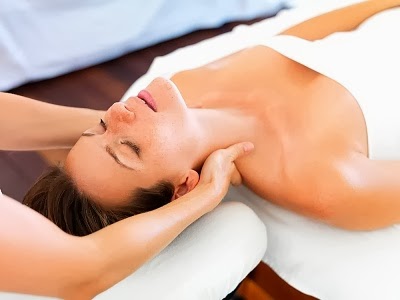
Therapeutic Massage involves manipulating the soft tissues of the body to prevent and alleviate pain, discomfort, muscle spasm, and stress.

As in many kinds of therapy, therapeutic massage is one part of your overall chiropractic treatment plan.

Massage therapy:
  • Alleviates headache-associated pain
  • Helps improve your ability to walk with a normal and balanced gait
  • Helps lower your blood pressure
  • Improves your breathing as a result of a more relaxed diaphragm
  • Improves your range of motion, muscle tone, and flexibility
  • Increases your blood flow, which aids in the healing process and allows muscles to work more efficiently;
  • Reduces stiffness, pain and muscle tension
Stimulates the body to release helpful chemicals such as endorphins. Massage has been shown to be an effective treatment for a wide variety of health problems, including:
  • Stress
  • Sleep apnea and insomnia
  • Sinusitis
  • Range of motion
  • Pain (chronic and temporary)
  • Myofascial pain
  • Jaw disorders
  • Injuries such as pulled or strained muscles and ligaments
  • Headache
  • Digestive disorders, including spastic colon and constipation
  • Circulatory problems
  • Carpal tunnel syndrome
  • Asthma and bronchitis
  • Arthritis
  • Allergies
In some cases, devices may be used to perform massage. Traction massage entails lying on your back on a special table with a pillow under your knees. The table has small rollers that glide up and down your spine. Traction massage helps stretch and massage the muscles in your back, and is not a form of spinal adjustment. In fact, traction massage may sometimes be used to make an adjustment go more smoothly.

Sunday, August 28, 2016

Offers Lumbar Stabilization

1


When the muscles supporting the lower spine need to be strengthened, lumbar stabilization may be used in your chiropractic treatment as a form of Physical Therapy. Lumbar stabilization helps you develop strength, flexibility, and endurance and also has been shown effective in alleviating Lower Back Pain.

The key to lumbar stabilization is achieving a "neutral spine" position. The neutral spine position is that which is the least painful but most sound posture for your lower back.

When your spine is in a neutral position:
  • The discs and vertebrae are able to absorb shocks and other forces acting on the spine in an optimal way.
  • There is less tension on the ligaments and joints of your spine.
  • Your posture is centered.
Once your learn how to go to your neutral spine position, lumbar stabilization teaches you how to maintain that position through a technique called "proprioception." Proprioception teaches you how to know where your joints are at any given time.

Lumbar stabilization helps you:
  • Better control the movements affecting your spine
  • Heal muscle strains, sprains, and damaged ligaments
  • Know how to avoid future injuries
  • Reduce pain in your lower back

Wednesday, August 17, 2016

Ice Therapy

2


Ice massage, or Cryotherapy, is effectively used to treat many kinds of injuries, including those associated with back or Neck Pain.

Ice causes the veins in the affected tissue area to constrict. This reduces the flow of blood while acting as kind of anesthetic to numb the pain. But when the ice is removed (and this is key), the veins compensate by opening large, allowing a greater volume of blood to rush to the affected area. The blood brings with it important chemicals that aid in the healing process.

Back and neck injuries frequently involve muscle sprains and strained ligaments, which can spasm and become inflamed.

Ice massage can provide a number of benefits, including:
  • Assisting the body in minimizing tissue damage
  • Mitigating muscle spasms
  • Reducing or eliminating pain by numbing sore soft tissues
  • Slowing and reducing inflammation and swelling
 
Ice Therapy is not recommended as a form of treatment for any kinds of rheumatoid arthritis, Raynaud's Syndrome (a circulatory disorder of blood vessels of the extremities), colds or allergic conditions, paralysis, or areas of impaired sensation.

Wednesday, August 10, 2016

Heat Therapy

1


While Ice Therapy is used to reduce swelling, heat therapy is used to relax the muscles and increase circulation. Both kinds of therapy help reduce pain.

Heat therapy is often used in patients who have chronic, or long-lasting pain. Heat therapy can involve many kinds of methods, from simple heating pads, wraps, and warm gel packs, to sophisticated techniques, such as therapeutic ultrasound.

Back injuries can create tension and stiffness in the muscles and soft tissues of the lumbar region, or lower back. In many cases, your circulation may be impeded. The tension in the muscles can sometimes escalate to spasms.
Heat therapy:
  • Dilates the blood vessels of the affected muscles, allowing them to relax and begin healing
  • Helps lower discomfort by reducing the amount of pain signals going to the brain
  • Increases the ability of your muscles to easily flex and stretch, thereby decreasing stiffness
Heat Therapy, as well as ice therapy, are normally a part of an overall chiropractic treatment plan and rarely accomplish maximum results without it.

Heat therapy is not used on swollen or bruised tissues, or in patients who have dermatitis, deep vein thrombosis, diabetes, peripheral vascular disease, open wounds, cardiovascular conditions such as hypertension.

Sunday, July 24, 2016

Exercise Therapy

1


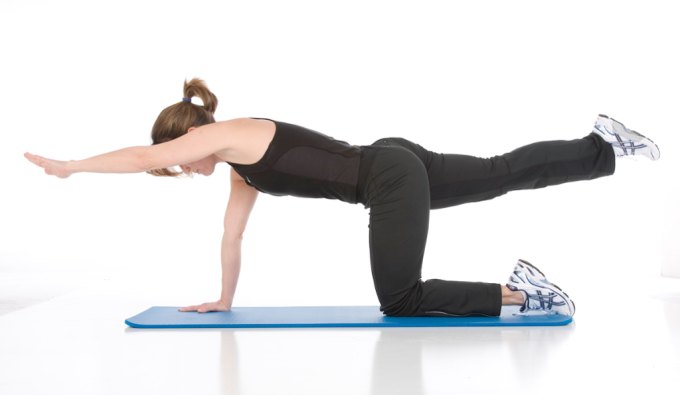
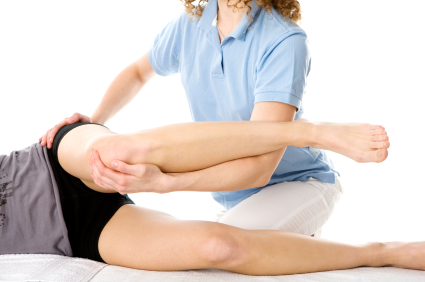
Exercise therapy is a form of chiropractic treatment used to help manage pain, rehabilitate damaged soft tissues such as muscles, ligament and tendons, and restore normal range of motion and function.

Such therapy has been shown to alleviate pain, improve overall muscle strength and range of motion, improve balance, as well avoid further deterioration of muscle tissues. The overall goal of an exercise therapy program is to promote healing and prevent further damage and injury to your body's musculoskeletal system. Exercises programs also help in minimizing scar tissue formation following an injury or surgery.

Most exercise programs are designed to improve cardiovascular conditioning and bolster your strength. Many exercises involve flexing and extending specific parts of the body.

As a patient, you play a pivotal role in the outcome of any therapeutic exercise program. Your dedication to following the steps outlined in the program will go a long way in ensuring its success.