Tuesday, April 26, 2016

Treatments for Sleep Apnea

3


Mechanical manipulation can offer some relief for people suffering from sleep apnea. Manipulation may improve the function of the muscles in your chest wall, and thus, help you breathe more easily and boost the oxygenation of your blood during sleep. In addition, manipulation can lower pain and restlessness and improve the reflexes of your spinal cord that control blood flow.

Acupuncture also has been shown to complement other kinds of therapy in treating people with sleep disorders such as apnea. If you have anatomical problems like airway obstructions, acupuncture can sometimes be used to open the airway.

Tuesday, March 29, 2016

Treatments for Migraines

2


Some recent studies have shown that patients suffering from chronic headaches and migraines may benefit more from long-term chiropractic care than drug therapy alone.

For headaches that originate in the cervical ( neck) area, chiropractic treatment such as spinal manipulation has been shown to be quite effective. A 2001 Duke University study, for example, found that spinal manipulation provided relief for patients with headaches that originate in the neck, and resulted in fewer side effects than medication. Researchers in that study concluded that such treatments as relaxation training, thermal biofeedback combined with electromyographic (EMG) biofeedback, cognitive-behavioral therapy, nutritional changes, and to a lesser degree, acupuncture, are all modestly effective in treating migraine headaches.

Monday, March 7, 2016

Treatments for Discs

1


A whole host of things can go wrong with a vertebral disc over a lifetime. A traumatic injury can crush or misplace a disc. An excessive pulling or lifting accident at home or on the job can force a disc out of position. And for some of us, simply getting older can cause a disc to deteriorate. This is usually called degenerative disc disease.

The vast majority of disc injuries occur in the lower back or lumbar region. When a damaged lumbar disc presses on a nerve root, it can cause radiating pain, numbness and weakness in other areas of the body, including the buttocks, leg, ankles and toes. Ironically, in many cases, a person with a herniated disc will not feel back or neck pain.

Cervical (neck) discs that have herniated can cause radiating pain and numbness down an arm and into the wrist and hand. Other types of symptoms include shoulder pain and numbness, as well as muscle and reflex weakness.

Chiropractic care entails a conservative, nonsurgical approach to treating disc injuries and other disc-related problems, and is often a course of treatment prior to any surgery, if recommended by a primary care physician or surgeon. And in other cases, disc injuries may heal themselves without any intervention.

Before undertaking any course of chiropractic treatment for a disc problem or injury, patients are thoroughly examined. This examination includes such things as analysis of posture, limb measurements, and pelvic balance, gait and reflex analyses. It is important to know whether the disc problem is a result of an injury or disease. If more information is needed, a diagnostic test, such as a MRI or X-ray, may be required to accurately pinpoint the source of the problem.

Treatments may include spinal adjustment or manipulation, and therapies such as electrotherapy and ice/heat therapy.

Specific techniques for treating disc injury include:

  • Flexion-distraction - The patient lies on a specialized table that gently stretches the spine, allowing the chiropractor to pinpoint the affected disc while slightly flexing the spine. These procedures gently move the disc away from an affected nerve, slowing or eliminating inflammation, and pain.
  • Pelvic blocking - This method employs cushioned wedges that are placed under each side of the hips. The chiropractor gently maneuvers the pelvic area, allowing gravity to pull the disc away from the affected nerve.

Thursday, February 11, 2016

Corsets, Braces, and Splints

1


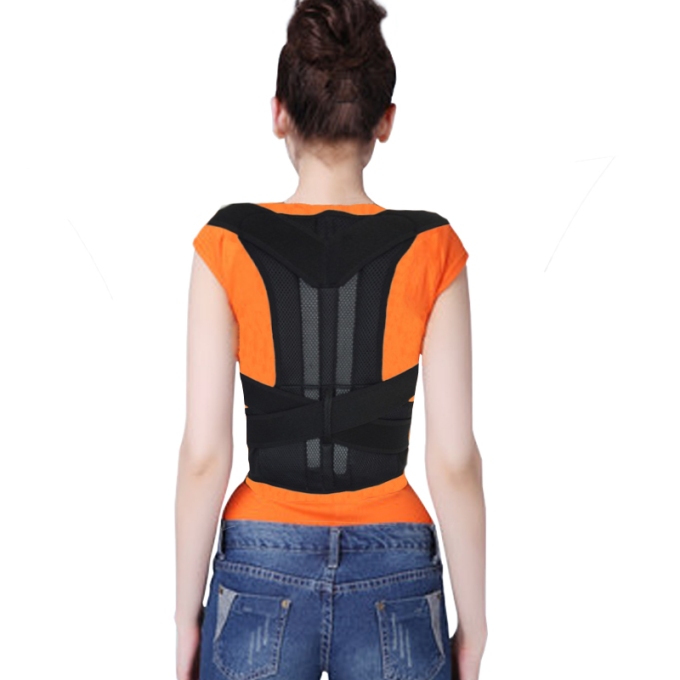
Corsets, braces and splints are used in chiropractic treatment. A common application of braces is used to treat children with idiopathic scoliosis, or curvature of the spine.

Back braces are only recommended for younger children (girls between 11 and 13, and boys between 12 and 14). The primary goal of orthodontic treatment involving a back brace is to stop the progression of the curvature; braces do not normally reverse curvature that has already taken place.

Tuesday, January 12, 2016

Adjustments

Chiropractic adjustments have been shown to be a safe and effective alternative treatment for pain and injury.

Chiropractors perform 95 percent of all adjustments in the world to correct the subluxations, or misalignments, of the vertebrae in the spine. Chiropractic adjustments are performed by applying gentle, yet firm pressure to a bone. The goal of any adjustment is to restore the bone to its natural, or original, position. The important thing to remember is the act the adjustment frees-not forces-a vertebrae to allow it to find its natural position. This is accomplished by the body's innate intelligence.

Chiropractic adjustments are performed to treat a wide variety of conditions, including (but not limited to):
  • Arthritis
  • Bursitis
  • Carpal tunnel syndrome and other repetitive strain disorders
  • Chronic muscle pain and stiffness
  • Headaches
  • Most musculoskeletal and sports-related injuries
  • Nerve disorders
  • Pain and stiffness in the back, chest, abdomen, neck, hips and shoulders, as well as extremities such as arms, legs, and feet
  • Sciatica pain
  • Scoliosis
  • Tendonitis
  • Whiplash and other traumatic injuries
Adjustments can be performed while sitting, standing, or lying down. Some adjustments involve special instruments or tables.

Some common adjustment techniques include:
  • Instrument adjustments, which involve a spring-loaded device.
  • Lumbar roll, in which the chiropractor applies a firm, yet quick thrust to a misaligned vertebra while the patient lies on his or her side.
  • Motion palpation, a hand technique the chiropractor uses to determine if your vertebrae are properly aligned.
  • Release work, in which the chiropractor uses gentle pressure with the fingers to separate the vertebrae.
  • Table adjustments, which entail lying on a specially designed table that drops when pressure is applied to a specific area. The dropping motion allows more gentle adjustments than some manual adjustments do.
  • Toggle drop, which entails firm pressure applied on a specific area of the spine by using crossed hands.
Chiropractors take many factors-including size, weight, and muscle structure-into consideration when deciding on which adjustment to make. Sometimes, ice, electrical stimulation, or massage therapy (including traction massage) are used prior to a spinal manipulation in order to relax the muscles.

In some cases, it may necessary to perform an adjustment while you are sedated. Spinal manipulation under anesthesia, which is considered a very safe procedure, is usually reserved for patients with conditions such as chronic neck, back, and joint pain, muscle spasm, shortened muscles, and fibrous adhesions.

Another form of adjustment called craniosacral therapy, or "CST," involves exerting very mild pressure to the body's craniosacral system, which is comprised of the membranes and cerebrospinal fluid that surround and protect the brain and spinal cord. This includes the cranium-which is composed of the skull, face and mouth, and the "sacrum," or tailbone. CST has been shown to provide relief from chronic neck and back pain, scoliosis, brain and spinal cord injuries, migraines, chronic fatigue, nervous system disorders, jaw joint problems, and stress disorders. (Such conditions as aneurysm and intracranial hemorrhage prohibit this kind of therapy.)

Adjustments almost always do not involve any pain or discomfort. The important thing for a patient to keep in mind is to remain relaxed, because stiffening up may impede the adjustment process. Popping sounds are sometimes heard during adjustments; these are usually pockets of air being released behind a joint or other bony structure.

Adjustments can leave you with a greater sense of well-being, calm, and most importantly, on the road to a life without pain. Following an adjustment, some patients experience mild aching or soreness in their spinal joints or muscles, which can usually be relieved by an ice or heat pack.

Adjustments have been shown to:
  • Increase blood flow
  • Increase pain tolerance levels
  • Increase range of motion
  • Increase the body's secretion of "good" chemicals such as melatonin and endorphins
  • Reduce blood pressure
  • Reduce tension and muscle pressure
Sunday, December 20, 2015

Neurological Exams

A neurological examination is sometimes performed to determine if any part of your body has incurred damage to its central nervous system. Many health problems have been associated with nerve damage, and such, this exam can significantly improve the chances of making a thorough diagnosis.

A neurological exam involves a thorough exploration of the body's arms, legs, and trunk.

If you have a neurological exam, your chiropractor may look for signs of:
  • Bowel or bladder problems
  • Gait problems (walking, running, climbing stairs, etc.)
  • Muscle spasms or twitching
  • Numbness, tingling, or pain and whether changing positions relieves those symptoms
  • Problems with balance
  • Weakened muscle strength and tone
  • Weakened reflexes (a sign of possible damage to the spinal cord, nerves, or muscles)
  • Weakness (consistent or intermittent) in your arms or legs

Monday, November 23, 2015

Ice Therapy

In many cases, temporary pain, and even additional injury, can be minimized and even avoided by a simple application of ice. Ice, applied in a timely manner and in an appropriate way, can reduce inflammation. Inflammation left unchecked can allow the source of the pain to continue doing damage to muscles, ligaments, tendons, and other structures.

Ice causes the veins in the affected tissue area to constrict. This reduces the flow of blood while acting as kind of anesthetic to numb the pain. But when the ice is removed (and this is key), the veins compensate by opening large, allowing a large volume of blood to rush to the affected area. The blood brings with it important chemicals that aid in the healing process.

Ice therapy is not recommended as a form of treatment for any kinds of rheumatoid arthritis, Raynaud's Syndrome (a circulatory disorder of blood vessels of the extremities), colds or allergic conditions, paralysis, or areas of impaired sensation.